Clapham Junction Removals in Clapham Junction

Clapham Junction removals should feel organised, careful and straightforward from the first box to the last item placed in the right room. We help households and businesses move with a practical service built around loading, transport and placement, so the work stays focused on what actually needs doing. Whether the move is across the borough or further afield, the aim is to keep the process measured, tidy and manageable.
The service is suitable for complete property moves, smaller moves with mixed access, and those times when a man and van style arrangement is the sensible fit. We can support straightforward furniture moves, packed room-by-room belongings, and jobs where an extra pair of hands makes the difference between a rushed day and a controlled one. If you are comparing options, our removals service gives a clear place to start.
For customers planning ahead, the easiest way to keep a move on track is to group items by room, separate anything fragile, and think through access at both ends before moving day. Good preparation does not need to be complicated, but it does help the team work efficiently. If you are ready to take the next step, see our pricing and quotes page and request a quotation when convenient.
Domestic moves planned around your property
House moves often need a balance of care, timing and flexibility. We handle domestic removals for flats, terraces and larger homes, with the service shaped around the scale of the load rather than a fixed, one-size approach. That means the right transport, the right amount of labour and a sensible route plan for the day. Where helpful, home moves can be arranged for a fuller domestic relocation.
For families and shared homes, it is often the handling of awkward furniture that defines whether a move feels smooth. Sofas, beds, wardrobes and dining pieces can all require thought before they are lifted, especially in properties with stairs, narrow landings or tight parking. Our team can manage the loading sequence carefully so that heavier items are moved in a practical order, and lighter boxes do not get in the way of access.
We also work with customers who only need selected items moved rather than a full property cleared out. A piano, a chest of drawers, a dining table or a set of boxed belongings can all be moved as part of a smaller domestic job. Where needed, furniture pick-up is a useful option for individual pieces that need collection and transport without a larger house move.
Moving methods that suit different loads

Not every move needs the same vehicle size or level of loading support, and that is why the service can be matched to the job. Some customers only need a transport-and-load arrangement, while others need a more complete moving setup with packing support, dismantling and room placement. A well-matched service reduces wasted time and helps keep items secure in transit.
If you are moving from a smaller property or only have a handful of larger items, a compact van-based move may be all that is necessary. For larger households, a dedicated removal vehicle with space for boxes, furniture and protective loading materials is often more suitable. The important point is choosing a method that suits the contents, access points and distance involved rather than overcomplicating the move. Our man and van option is a practical starting point for lighter loads.
For customers who prefer a broader overview of the available services, the wider removal services page can help you see how different move types are grouped. It is often useful when comparing a simple carry-and-drive arrangement with a full household relocation. The best choice is usually the one that matches the volume of goods, the handling required and the time you want the move to take.
Packing support, unpacking and item protection
Packing has a direct effect on how a move feels on the day, because well-prepared cartons and protected furniture are easier to load and unload safely. We can support customers who want help with fragile items, general household packing or unpacking at the destination. This is particularly helpful when a move includes breakables, mixed box sizes or rooms that need to be put back into use quickly.
Careful packing is not only about paper and tape; it is about deciding which items should travel together, which should stay separate and what needs extra cushioning. Crockery, ornaments, books and documents all benefit from different treatment, and the same is true for mirrors, lamps and other awkward shapes. If your move needs a more complete preparation service, packing and unpacking services can be combined with the removals job.
Unpacking support can also make the first day in a new property more manageable, especially when the move has taken place in stages or belongings have been boxed for some time. Even a modest amount of unpacking assistance can help establish order quickly, reduce clutter and make it easier to identify anything that still needs attention. It is a practical option for busy households that want the essentials in place before tackling the rest.
Commercial moves and office relocation needs

Commercial removals require different planning from domestic work because desks, files, equipment and workstations often need to be moved with less disruption to everyday operations. We handle business relocations in a structured way so that items are loaded, carried and delivered in a logical sequence. That approach helps reduce confusion when a workspace has many similar-looking boxes, cables and office items.
Smaller offices may only need a few rooms cleared and reinstalled, while larger workplaces can involve multiple desks, storage units, archive material and shared equipment. The moving plan should account for access, building rules and any items that need dismantling or careful positioning. For businesses looking at a dedicated workplace move, office removals is the main service page to review.
Some commercial customers need a more specific relocation arrangement, especially if they are changing floors, reconfiguring a suite or moving a department rather than the whole organisation. In those cases, office relocation services can be a useful option because it points to a move centred on workspaces, furniture and business contents. The emphasis is on keeping the relocation methodical so the transition is easier to manage.
Preparing for a move without overcomplicating it
Good preparation usually comes from a few sensible decisions rather than a long checklist. It helps to know which furniture will be dismantled, which boxes contain fragile contents and whether there are access issues such as stairs, parking restrictions or shared entrances. Those details help shape the practical side of the removal and reduce avoidable delays on the day.
When you are asking for a quotation, it is useful to describe the contents honestly and in enough detail for the move to be planned correctly. Photographs can help, but a clear written description of rooms, furniture and any special handling is often just as valuable. If you are comparing move types or want to check what information is needed, contact us with the basics and we can help you work through the options.
It is also worth separating anything that will travel in your own vehicle from the items that need to be loaded by the removal team. That distinction can affect the time required and the size of vehicle that is appropriate. For many customers, the simplest approach is to sort the move into major furniture, boxed items and valuables, then decide which parts need extra handling.
About Clapham Junction
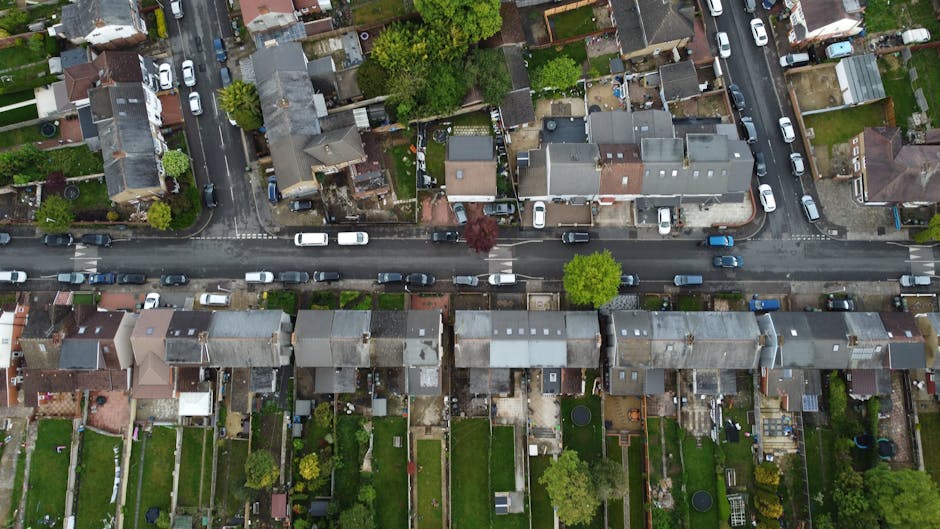
Clapham Junction is an area best known for its railway station, which opened in the nineteenth century and became one of the busiest interchange points in London. Despite the name, the station is not within Clapham itself but lies in Battersea, where transport links have long shaped the surrounding streets. The locality sits within the wider London Borough of Wandsworth, and its identity has grown around the railway, nearby residential squares and the steady mix of shopping streets, homes and local amenities that developed over time. Lavender Hill, St John’s Hill and Northcote Road are among the better-known roads associated with the area, each contributing a different character through shops, cafés and everyday services. Clapham Common lies to the south-east, offering open space that contrasts with the denser street pattern closer to the station. The built environment includes Victorian and Edwardian terraces, later apartment buildings and redeveloped commercial sites, with the station area remaining a particularly active part of the district. Connections to south-west and central London have made the area a practical base for commuters for generations, while the streets around the junction continue to reflect a balance of transport activity and neighbourhood life. Its name is now widely recognised beyond the immediate locality, yet the place itself remains rooted in the railway geography that first gave it prominence.
Clearer choices for house and flat removals
Flat moves often involve different priorities from larger house removals. Access through communal hallways, stairwells and lifts can make timing and handling more important, particularly where furniture needs to be manoeuvred without causing disruption. We can adapt the moving plan to suit the building layout and the quantity of goods being carried, which is especially useful in properties with limited parking or controlled entry points.
For owners and tenants alike, the key decisions usually concern what should be dismantled, what should stay assembled and how the load should be sequenced. Beds, shelving and wardrobes may need to be reduced to manageable parts, while boxes and soft furnishings can be grouped separately to make the loading process more efficient. If you are weighing up a domestic move in more detail, house removals offers a broader route into the service.
Where the job is modest and the contents are not extensive, a smaller vehicle and a straightforward labour arrangement may be enough. The important point is to avoid paying for more capacity than you need while still keeping the move safe and organised. For this type of move, man with van can be a practical description of the kind of service many customers are looking for.
Handling transport, loading and the practical side of moving day

The transport stage of a removal does more than simply move items from one address to another. It depends on how furniture is stacked, whether heavier objects are secured properly and how the team balances boxes, loose items and fragile pieces in the vehicle. A controlled loading pattern helps protect belongings and makes unloading more efficient when the van arrives at the destination.
Different removals need different loading decisions. A household full of boxed belongings may require one arrangement, while mixed furniture, appliances and delicate items need another. We keep the focus on what will travel well and what should be carried separately so that the job remains tidy. For customers comparing vehicles and load sizes, removal van and related service pages can help clarify the type of transport involved.
When moving day arrives, it is usually most helpful if the main access route is clear and the items that need special care are identified early. That does not require a complicated plan, only a practical one. Sorting the move into obvious categories helps the team work through the load steadily and keeps the overall process under control.
Service options for different move sizes
Some customers need a full-scale moving team, while others are only looking for a straightforward vehicle-and-loader arrangement. The service can be scaled to suit the job so that the level of support matches the amount of furniture, the distance travelled and the handling required. That makes it easier to keep the move efficient without adding unnecessary complexity.
If you are moving between two properties and want a standard domestic relocation, the broader house movers page can be a useful reference point. If your priority is simply to understand the provider structure rather than the specific load, removal company and removal companies are the pages most closely related to that comparison. They help place the service in context while keeping the focus on practical moving work.
Where the move includes a mixture of boxes, furniture and a few harder-to-handle items, a flexible approach is often the best fit. It avoids over-specifying the job and allows the removal to be planned around what is actually being moved. If you already know the broad scope, the next sensible step is to ask for a quotation and give the team a clear picture of the contents.
Quotations, scheduling and the last practical checks

Quotations work best when they are based on real move details rather than rough guesses. The amount of furniture, number of boxes, access at each property and any items needing special handling all influence the shape of the job. Once those points are clear, it is easier to match the removal to the right vehicle, labour and timing without building in unnecessary extras.
A useful final check is to think through what will be ready to load first, what should stay with you, and which items may need extra wrapping or disassembly before the move begins. That kind of planning keeps the day moving and reduces the chance of last-minute uncertainty. If you want to compare services or prepare a move in stages, the information on removals near me may help you orientate your choice, while commercial moves is available for business customers with a different requirement.
Request a quotation when you are ready and we will help shape the move around the scope you need. If you prefer to talk through the details first, a short message with the main items, access points and preferred dates is usually enough to begin. For a practical Clapham Junction removal, that is often the simplest route to a clear plan.